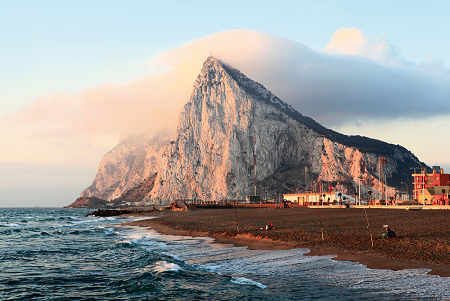
From the Neanderthal skull of 1848 to Tarik ibn Ziyad, the converso purchase of 1474 and the British siege years — the Rock’s story and the Jewish presence through every era.
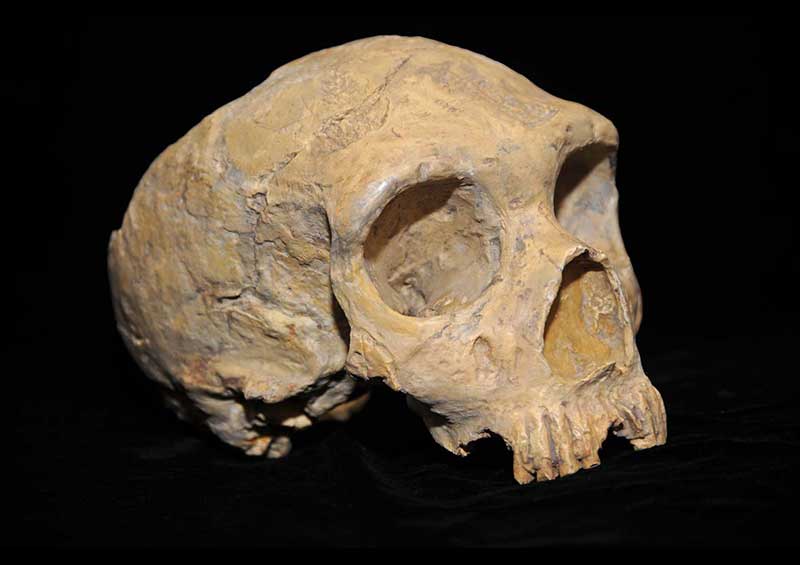
On the Rock of Gibraltar, the past is a living reality. Colourful ceremonial events such as the Changing of the Guard and the Ceremony of the Keys are performed exactly as they have been for centuries. In the Gibraltar Museum — positioned over one of the finest fourteenth-century Moorish bathhouses — you can find exhibits from every period of the Rock’s extraordinary history. It is a story that begins at least as early as the Stone Age: the first Neanderthal skull ever discovered was found here in 1848.
The edge of the known world
Since men first braved the sea, the Bay of Gibraltar has sheltered ships and sailors. To the ancient Greeks, Gibraltar marked the limit of the known world. To pass beyond it was to sail to certain destruction over the bottomless waterfall at the edge of the world — hence the many offerings made to the gods by these and other civilisations, such as the Phoenicians and Carthaginians, found in the shoreline caves.
Once the Romans extended their Empire they included Gibraltar, which they knew as Calpe. Neither the Phoenicians nor the Romans settled in Gibraltar.
Jebel Tarik
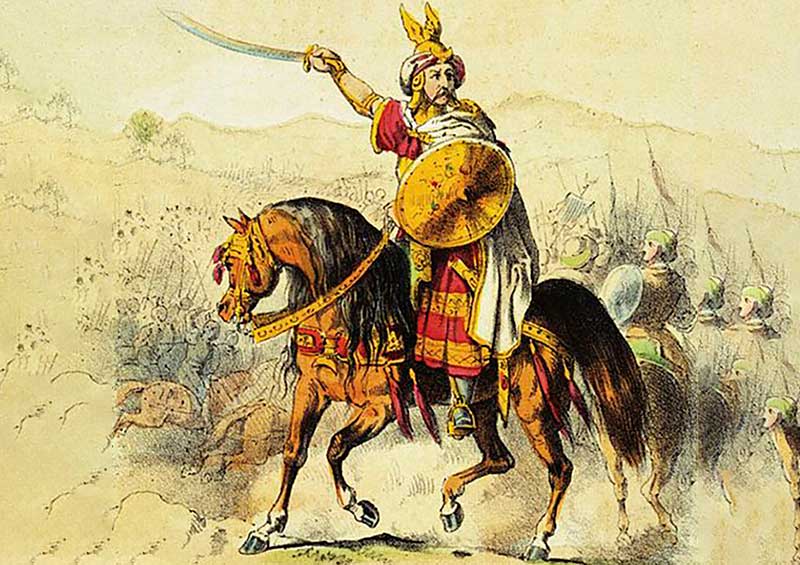
The Umayyads of Damascus sent two expeditions from Morocco to Spain. The first, in 710, was headed by Tarif, who captured the city known today as Tarifa. A year later, in 711, a second expedition headed by Tarik ibn Ziyad landed boats, horses and men on the eastern side of the Rock. In honour of their commander, Tarik’s soldiers named the Rock Jebel Tarik — the Mountain of Tarik — a name that continued in use through Spanish and English times as “Gibraltar”.
Tarik, together with Musa, went on to conquer the Iberian peninsula, the advance eventually stopping at Poitiers in France. The Jews of Morocco and Spain were vital in assisting the Arabs in their conquests, acting as translators and physicians, and being vital to the caliphate, they saw a great deal of prosperity.
While the Arabs controlled Gibraltar, there is proof that in 1357 members of the Jewish community paid to redeem Jewish captives taken by corsair pirates.
Caliphs, Taifas and the first city
Fifty years after the conquest, the Umayyad royal family was massacred in Damascus, except for one member who escaped to Córdoba and founded the Umayyad Caliphate there — Abd al-Rahman I. Eventually the Caliphate of Córdoba lost its prominence and smaller independent kingdoms, the Taifas, sprang up across the south of Spain; Gibraltar came under the largest of them, Granada.
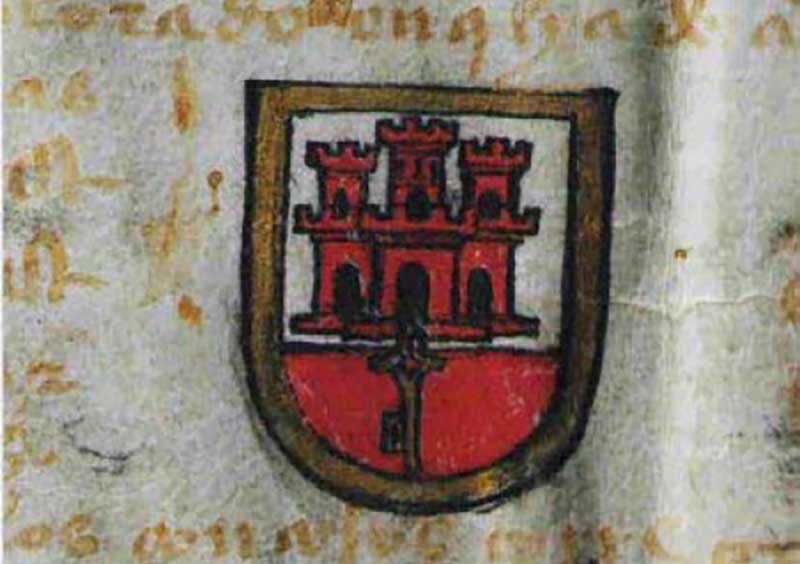
The Arabs were the first to build a city in Gibraltar. By 1160 they had built a castle — the Tower of Homage — with a fortified wall to the north, facing Spain, and another to the west along the seafront.
Sieges and the conversos
In 1309 Christian forces captured Gibraltar and held it for twenty-four years, until 1333, when it was recaptured by the Arabs after a bloody eighteen-week siege. They extended the fortifications, built an aqueduct to bring water to the town, a mosque in the centre of the city (later converted into St Mary the Crowned Cathedral) and the Moorish baths that survive to this day beneath the Gibraltar Museum.
The Rock did not finally become Spanish until 1462, when the Duke of Medina Sidonia recaptured it on behalf of the Catholic Monarchs. During the following 242 years of Spanish rule, Gibraltar fell into severe decline.
In 1474 over 4,000 converso Jews, led by Pedro de Herrera, purchased the Rock of Gibraltar from the Duke of Medina Sidonia. Two years later the Duke realigned himself with the Spanish Crown and expelled everyone from the Rock; most of the evacuees went to Córdoba — and into the waiting clutches of the Spanish Inquisition. From 1474 until 1704 we find no mention of Jews in Gibraltar.
British Gibraltar
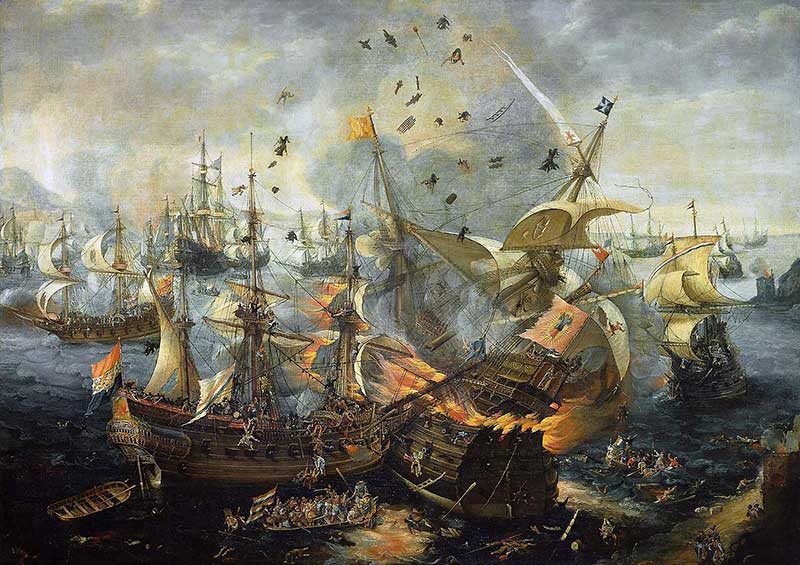
In July 1704, lying off Tetuan with a combined fleet of British and Dutch warships, Admiral Sir George Rooke saw an opportunity to capture the Rock. The city fathers refused his call to surrender, but 15,000 rounds of shot and shell and landings by British marines persuaded them otherwise. Many sieges and attempts to recapture the Rock followed.
Since then the Rock has played its part in some of the most famous episodes of British history. During the American War of Independence, France and Spain besieged Gibraltar for four and a half years. The body of Nelson, preserved in a barrel of rum, was brought to Gibraltar after his victory at Trafalgar.
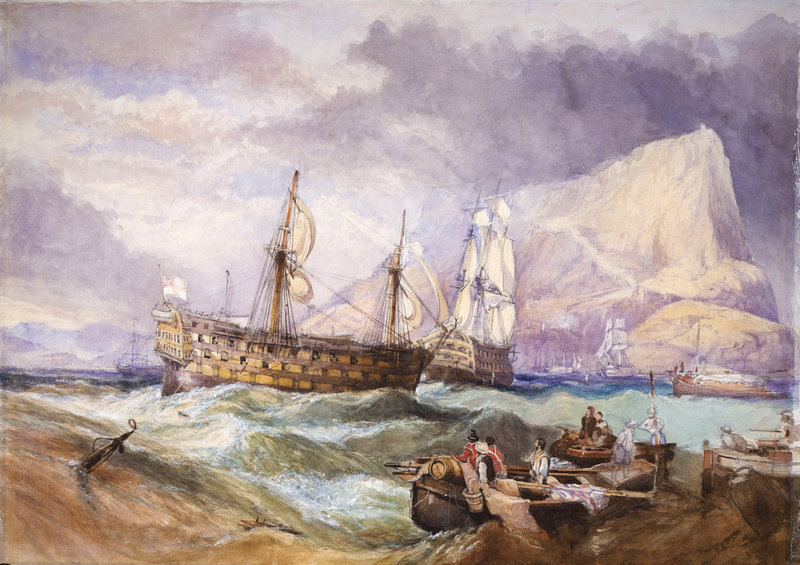
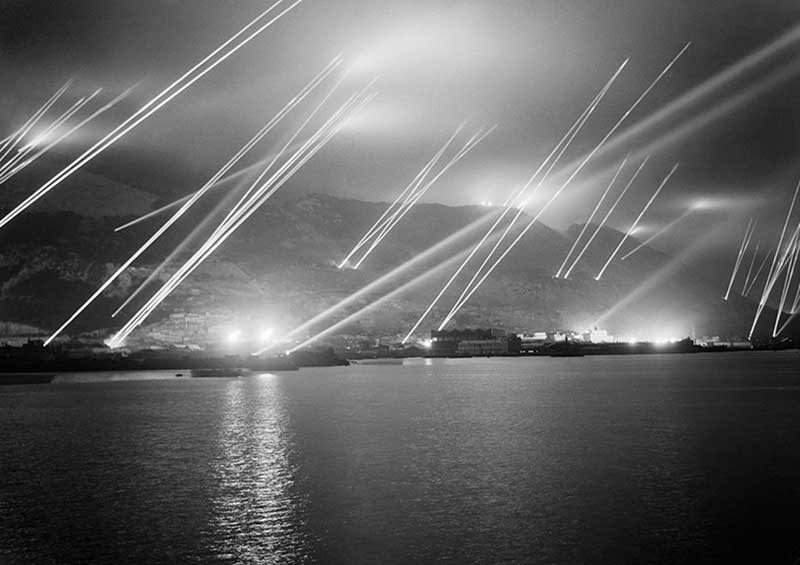
In the Second World War the Rock was a key factor in British victories in the Mediterranean — a fortress for the troops stationed here, controlling the entrance to the Mediterranean and supporting the Allied forces in North Africa.
Walk these streets and synagogues with the author on a private tour.